
Minimalism in UI: Less is More

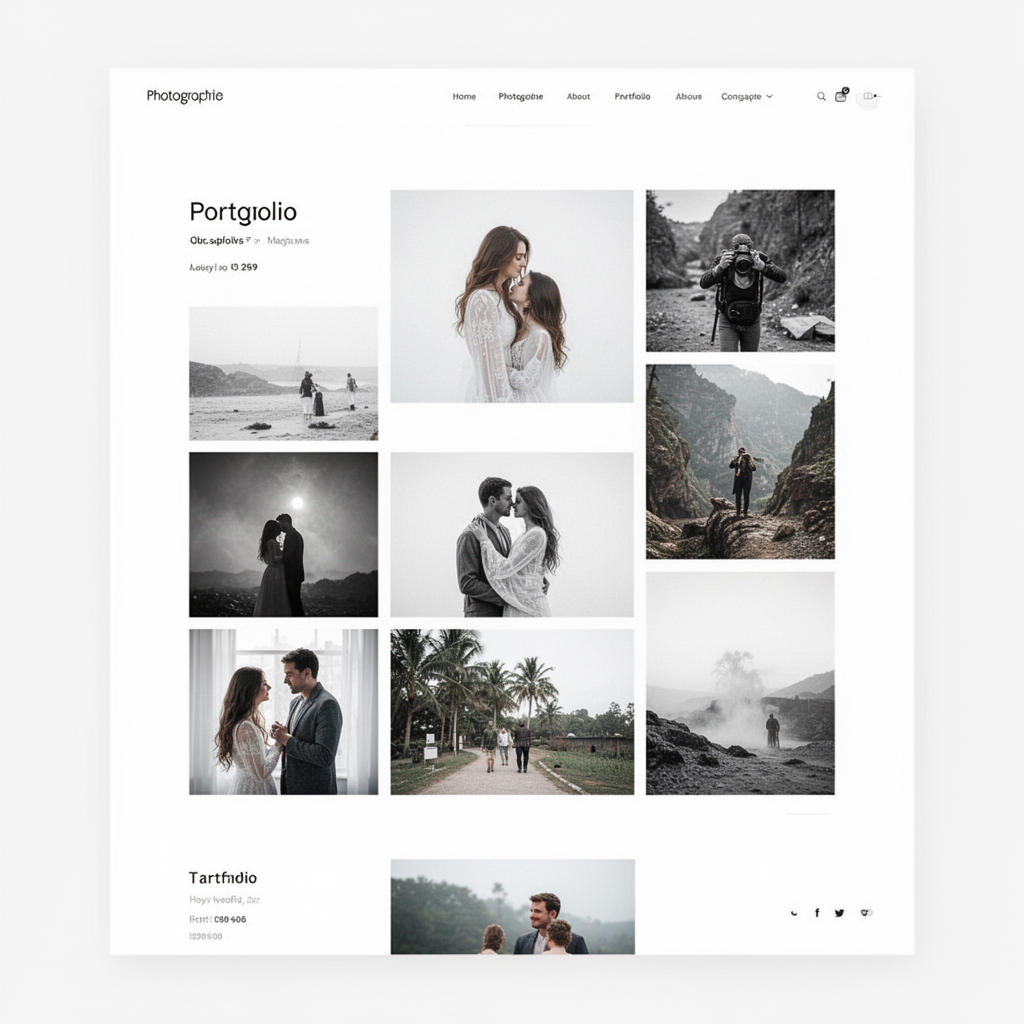
Minimalism isn't just an aesthetic choice; it's a functional one. In a world of sensory overload, a clean interface allows the user to focus on what matters: the content and the action.
The Core Principles
Minimalism relies on Negative Space. White space isn't empty space; it's an active design element that guides the eye. It reduces cognitive load, making the interface feel easier to use.
1. Typography as Strategy
When you remove decorative elements, typography must do the heavy lifting. Use bold headings to create hierarchy and clear, readable body text.
2. Limited Color Palette
Stick to 2-3 primary colors. Use a vibrant accent color solely for Calls to Action (CTAs) to make them pop.
3. Function Over Form
Every element on the screen must have a purpose. If it doesn't help the user achieve their goal, delete it.
Remember: Minimalist doesn't mean boring. It means efficient. Brands like Apple and Airbnb master this balance perfecty.
About Sarah Jenkins
A tech enthusiast and expert at Tech Incredible. Passionate about sharing knowledge on digital trends and best practices.